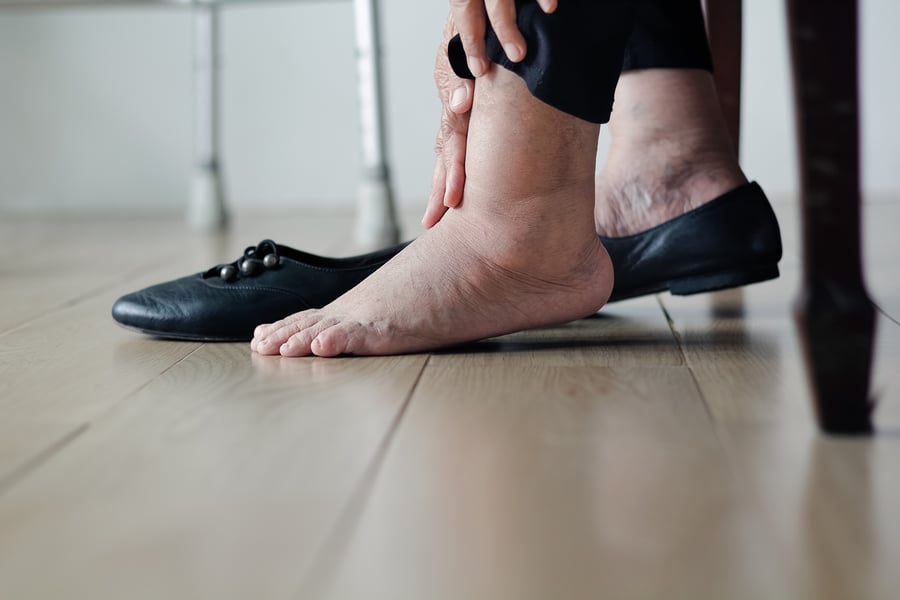
If you live with diabetes, nerve issues, or have ever dealt with foot wounds, you know how easy it is to ignore a small blister, cut, or sore, especially when you don’t feel much in your feet. But what seems like a minor irritation can quietly become a serious problem. That’s where daily foot inspections and safe wound care become extremely important.
At Sweeney Foot & Ankle Specialists, we believe preventative care and regular monitoring are the foundation of long-term foot health.
In this article, we’ll walk you through why daily foot inspection matters, share how to clean and care for wounds properly, and offer practical tips to protect at-risk feet, especially for those with diabetes or neuropathy.
Though these are simple steps, they can make a profound difference.
Why Daily Foot Inspections Matter
Detect Problems Early, Before They Escalate
Many people with diabetes or neuropathy lose sensation in their feet. According to the Centers for Disease Control and Prevention (CDC), nearly half of people with diabetes-related nerve damage in their feet do not experience any symptoms.
Without feeling pain or discomfort, you may not notice a cut, blister, or sore. That’s why daily inspection is vital. According to diabetic foot care guidelines, daily checks for cuts, blisters, redness, swelling, or nail problems, even using a magnifying mirror to examine the soles, can catch issues early, before they worsen.
Did you know? Roughly 19% to 34% of people with diabetes will develop a foot ulcer during their lifetime.
Catching problems early, when they’re small and manageable, dramatically reduces the risk of foot ulcers, infections, and worse complications.
How to Clean Wounds Safely and Promote Healing
Gentle Cleaning, Careful Drying, Not Risky Soaks
To care for your feet or if you discover a wound, a cut, blister, or sore, proper cleaning is the first step. Use mild soap and lukewarm (never hot) water. Warm water and gentle soap are less likely to irritate sensitive skin than hot water or harsh cleansers.
After washing, dry your feet thoroughly, especially between your toes, then apply a light, non-irritating moisturizer, but avoid putting lotion between the toes (to prevent infections).
If the wound is small and superficial, cover it with a clean, sterile dressing. But if it’s deep, bleeding heavily, or not healing, or if you notice redness, swelling, warmth, or drainage, contact a foot specialist right away. About 40% of diabetes-related foot ulcers develop infections, leading to serious health complications.
Protecting At-Risk Feet: Daily Habits That Help
Build a Routine That Guards Against Injury
- Inspect daily. Use a mirror (or get help) to check the bottom and sides of your feet. Look for anything unusual: cuts, bruises, redness, swelling, or nail issues.
- Wash daily with care. Warm (not hot) water and gentle soap; dry thoroughly; moisturize (except between toes).
- Wear proper footwear. Always wear well-fitting, closed-toe shoes, even indoors. Avoid going barefoot. Rugs, small objects, or bumps can cause unnoticed injuries.
- Check your shoes. Before putting them on, look inside for any pebbles, debris, or foreign objects that could injure your foot.
- Trim nails safely. Clip straight across and file edges smoothly to avoid ingrown nails or scratches.
- Manage pressure and circulation. Off-loading pressure from vulnerable areas is often vital. For those with ulcers or high-risk conditions, specialized footwear or orthotics may be needed.
- Keep blood sugar and circulation in check. Good diabetes management, blood flow, and healthy lifestyle choices all support foot health.
Did you know? Up to 50% to 60% of ulcers in people with diabetes become infected, and 15% to 20% of moderate to severe infections may lead to limb amputation.
When to Consult a Foot Specialist, Don’t Hesitate
If you notice any of the following, seek help immediately:
- Wounds that don’t heal within a few days
- Redness, swelling, warmth, or drainage around a wound
- Signs of infection (odor, pus, increased pain)
- Sudden changes in foot shape, unexplained swelling, or poor circulation
Prompt treatment can prevent further complications, such as deeper infection, tissue damage, or amputation.
Protect Your Feet and Your Future: Get the Expert Care you Need Today
Daily foot inspection and careful wound care are simple, low-cost yet powerful ways to preserve your foot health, especially if you have diabetes, neuropathy, or other risk factors. By creating a routine of daily checks, gentle cleaning, protective footwear, and mindful care, you can catch problems early and help prevent serious complications.
At Sweeney Foot & Ankle Specialists, we specialize in advanced care for people with peripheral neuropathy and other foot and nerve disorders. If you notice anything concerning, a sore that won’t heal, persistent redness, or signs of infection, we encourage you to reach out for skilled, compassionate care.
Take care of your feet today; they carry you every day. Contact us to learn more about how we can help protect your foot health.