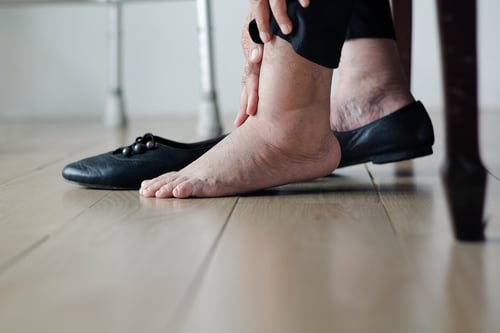
By age 50, most people have walked approximately 75,000 miles in their lifetime. After decades of wear and tear, it’s no surprise that foot and ankle problems become increasingly common in older adults. According to the Centers for Disease Control and Prevention (CDC), falls are one of the leading causes of injury among seniors, and foot pain or instability can significantly increase that risk.
Healthy feet are essential for staying active, preventing falls, and enjoying daily life. At Sweeney Foot & Ankle Specialists, helping patients maintain mobility and comfort at every stage of life is a top priority.
Why Foot Health Becomes More Important With Age
Aging naturally changes the body, including the feet and ankles. Over time, the skin becomes thinner, circulation may decrease, joints can stiffen, and the protective fat pads on the soles of the feet begin to wear down. Muscles and ligaments may also weaken, reducing balance and stability.
These changes can lead to a variety of issues, including:
- Foot pain
- Balance problems
- Reduced mobility
- Increased fall risk
- Difficulty exercising
- Loss of independence
Many seniors assume foot pain is simply a normal part of aging, but that is not necessarily true. While some changes are expected, chronic pain or mobility issues should always be evaluated by a podiatrist.
Common Foot Problems in Seniors
Arthritis:
Arthritis is one of the most common causes of foot pain in older adults. The feet contain 33 joints, making them highly susceptible to wear and tear over time. Osteoarthritis can cause stiffness, swelling, and discomfort that worsens with activity.
Many seniors experience arthritis in the ankles, midfoot, or toes, which can make walking painful and reduce balance.
Bunions and Hammertoes:
Structural foot deformities often become more pronounced with age. Bunions and hammertoes may start as minor cosmetic concerns but can eventually lead to pain, difficulty wearing shoes, and pressure sores.
Because mobility is so important for healthy aging, treating these conditions early can help seniors stay active longer.
Diabetic Foot Complications:
Diabetes affects millions of older adults and can lead to serious foot complications if left unmanaged. Reduced circulation and nerve damage (neuropathy) can make it difficult to feel cuts, blisters, or infections.
According to the CDC, diabetes-related foot complications are among the leading causes of hospitalization and lower-limb amputations. Proper foot care and routine exams are critical for prevention.
Thickened Toenails and Fungal Infections:
Toenails often become thicker and more brittle with age, making them difficult to trim properly. Fungal infections are also more common in seniors and can cause discoloration, discomfort, and secondary infections.
Professional podiatric care can help safely manage these issues.
Heel Pain and Fat Pad Loss:
The natural cushioning on the bottom of the feet decreases with age, which can lead to heel pain and discomfort while standing or walking. Seniors may feel like they are “walking on bone” due to reduced shock absorption.
Supportive footwear and custom orthotics can help reduce pressure and improve comfort.
Balance Problems and Falls:
Foot pain and instability directly impact balance. Even small issues, such as poorly fitting shoes, numbness, or reduced ankle flexibility, can increase the likelihood of falling.
Falls are especially dangerous for seniors because they often result in fractures, hospitalizations, or long recovery periods. Maintaining healthy feet is an important part of fall prevention.
How Seniors Can Protect Their Foot Health
Wear Supportive Shoes:
Proper footwear is one of the most important investments seniors can make for their health and mobility.
Supportive shoes should:
- Fit properly without squeezing the toes
- Provide arch support
- Have non-slip soles
- Cushion the feet
- Offer stability around the heel
Older adults should avoid worn-out shoes, high heels, or unsupportive footwear like thin flip-flops.
A podiatrist can also recommend specialized footwear or orthotics for conditions like arthritis, diabetes, or balance issues.
Stay Active:
Regular movement helps improve circulation, flexibility, and muscle strength, all of which support foot and ankle health.
Low-impact exercises are especially beneficial for seniors, including:
- Walking
- Swimming
- Cycling
- Stretching
- Balance exercises
- Gentle strength training
Staying active also helps maintain a healthy weight, which reduces stress on the feet and ankles.
Inspect Feet Daily:
Daily foot checks are especially important for seniors with diabetes or circulation issues.
Look for:
- Cuts or blisters
- Swelling
- Redness
- Skin discoloration
- Changes in toenails
- Pressure sores
Early detection can prevent small issues from becoming serious complications.
Moisturize Skin:
Dry, cracked skin becomes more common with age and can increase the risk of infection. Applying moisturizer daily helps maintain skin health and comfort.
However, it’s important not to apply lotion between the toes, where excess moisture can encourage fungal growth.
Trim Toenails Carefully:
Improper nail trimming can lead to painful ingrown toenails or infections. Seniors with vision problems, diabetes, or thickened nails may benefit from professional nail care provided by a podiatrist.
Address Pain Early:
Many seniors wait too long to seek treatment for foot pain, assuming discomfort is simply part of aging. In reality, early intervention often leads to better outcomes and less invasive treatment options.
Persistent pain, swelling, numbness, or difficulty walking should never be ignored.
The Connection Between Foot Health and Independence
Mobility plays a major role in maintaining independence as we age. Seniors who can walk comfortably are more likely to:
- Stay socially active
- Exercise regularly
- Maintain better cardiovascular health
- Reduce fall risk
- Preserve mental well-being
- Continue daily activities independently
Foot pain, on the other hand, often causes people to become less active. Reduced activity can lead to muscle loss, worsening balance, weight gain, and additional health complications.
Healthy feet help seniors stay connected, confident, and engaged in life.
When to See a Podiatrist
Seniors should schedule a podiatric evaluation if they experience:
- Chronic foot or ankle pain
- Difficulty walking
- Swelling
- Numbness or tingling
- Changes in foot shape
- Wounds that heal slowly
- Balance issues
- Toenail problems
- Diabetic foot concerns
Routine podiatry visits can also help identify problems before they become severe.
Healthy Feet Support Healthy Aging
Our feet work hard every day, and as we age, they deserve extra attention and care. Maintaining foot health is about far more than comfort. It’s about preserving mobility, independence, and overall quality of life.
The good news is that many common foot problems in seniors can be prevented or effectively managed with proper care, supportive footwear, regular activity, and professional treatment when needed.
At Sweeney Foot & Ankle Specialists, patients receive expert care designed to help them stay active, mobile, and confident at every age. Whether you’re experiencing foot pain, balance concerns, diabetic complications, or age-related changes in your feet, professional podiatric care can make a meaningful difference in your long-term health and mobility.
Our experienced specialists provide personalized care to help seniors stay active, comfortable, and independent. Schedule an appointment today and take the next step toward healthier feet and better mobility.